
World Cities Day
Cities are growing rapidly, and with them the challenges: heat waves, heavy rainfall, sealed surfaces and resource scarcity – all of which affect us all.
Why is this important? Because more than half of the world's population already lives in cities – and this number continues to rise.
In our new Instagram series, we show how cities can become greener, more resilient and more liveable.
From the problem itself to concepts such as ‘green cities’ and ‘sponge cities’ to concrete solutions – join us on the journey to the sustainable city of the future.
At ACO, we develop innovative water management systems that help cities adapt to these challenges. Look forward to practical insights and solutions.
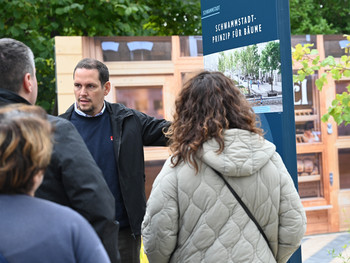
What happens when cities are not planned sustainably?
Cities that grow without sustainable planning face increasing pressure from climate-related challenges.
Sealed surfaces prevent rainwater from infiltrating the ground, leading to frequent flooding.
Urban areas heat up due to a lack of greenery and poor air circulation.
Infrastructure becomes overwhelmed, and the overall quality of life declines.
Sustainable urban planning is no longer optional – it’s essential for resilience.
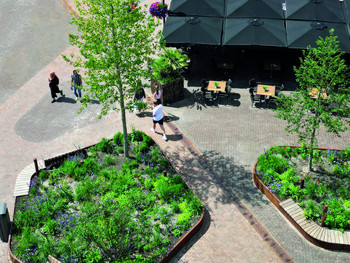
How do green cities improve our lives, and why do we need more of them?
Green cities create a healthier microclimate, improve air quality, and support biodiversity.
They absorb and store rainwater naturally, reducing the burden on drainage systems.
Vegetation and permeable surfaces help cool urban spaces and reduce heat stress.
These cities offer vibrant public spaces and promote well-being.
The more green cities we build, the better we can face future climate challenges.
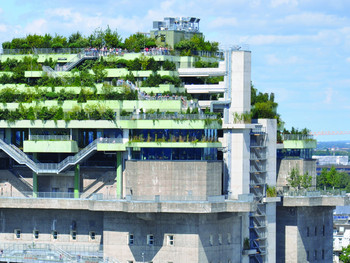
How can cities become smarter, greener, and more resilient?
The key lies in the Sponge City approach: collect, clean, store, and reuse rainwater locally.
ACO’s WaterCycle integrates smart drainage with green infrastructure to manage water sustainably.
Digital tools allow precise monitoring and control of water systems. Functional and aesthetic design merge to create urban spaces that are both beautiful and climate-adaptive.
With holistic planning and innovative solutions, cities can become truly future-ready.

How does ACO help cities adapt to climate change?
ACO brings long-standing expertise in water management together with innovative solutions to manage water directly where it falls – within the urban environment.
The ACO WaterCycle collects, cleans, holds, and reuses rainwater – all in one intelligent process. This cycle ensures water is guided and filtered efficiently, supporting sustainable use.
ACO products blend seamlessly into streets, plazas, and green areas, preventing flooding, nurturing urban greenery, and improving the city’s microclimate.
From planning to implementation, ACO helps cities build resilient infrastructure for tomorrow.
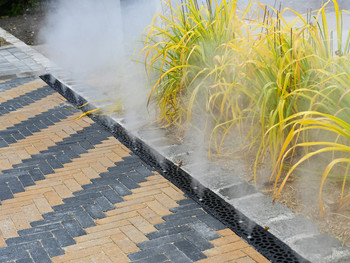
Which ACO products make cities safer, greener, and better prepared for climate-related changes?
• ACO KerbDrain: collects and channels rainwater efficiently at the curbside.
• ACO Stormbrixx: stores water underground for infiltration or reuse.
• ACO ClimateBoxx: delivers targeted irrigation to urban trees and plants.
• ACO Combipoint & Filter Shaft: clean and distribute water to tree root zones.
Together, these solutions form key elements of the ACO WaterCycle, ensuring water is collected, cleaned, held, and reused to protect cities against flooding, enhance biodiversity, and create cooler, greener spaces.